
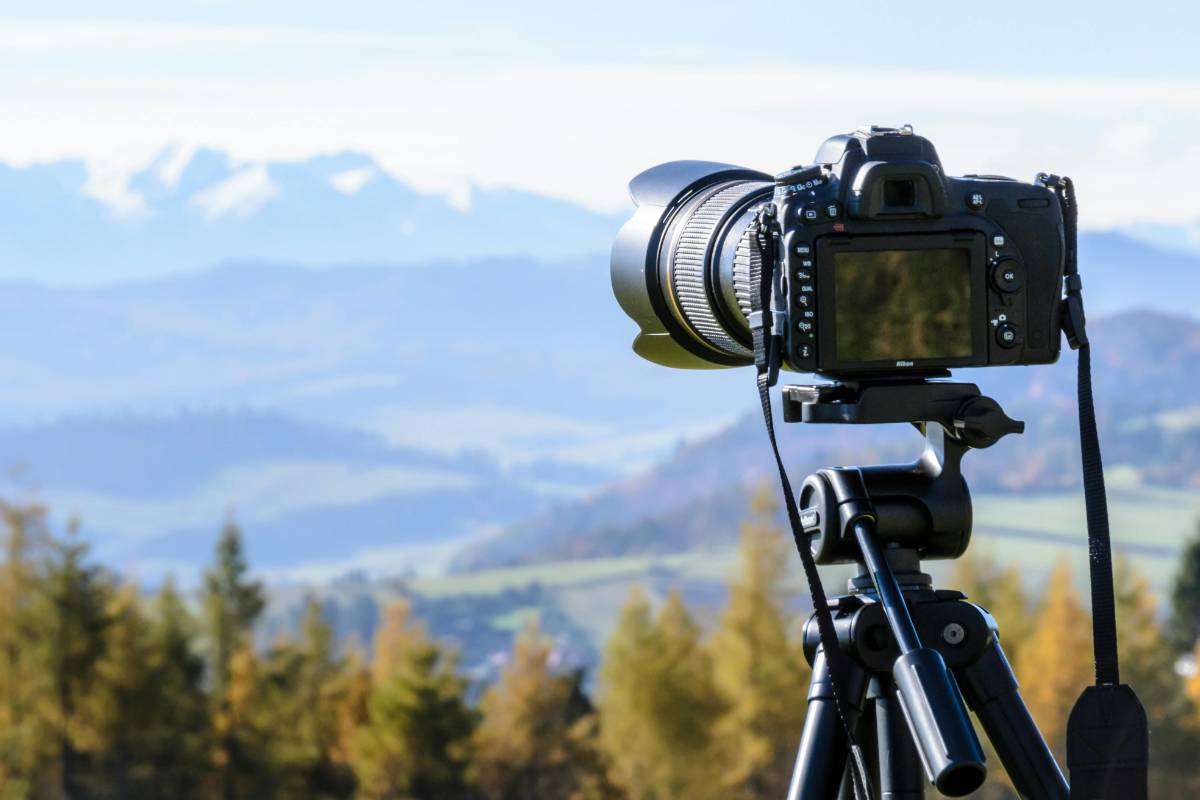
Before heading out to explore, take some time to research the destination and plan your shots. Look for landmarks, natural wonders, and cultural events that might be photogenic. Consider the time of day you’ll be visiting these locations, as lighting plays a huge role in photography.
By Robert Anthony Brown · 08 Aug 2025
Travel photography is an exciting way to document your adventures and share your experiences with others. Whether you’re visiting iconic landmarks, exploring hidden gems, or capturing everyday moments, knowing how to take the perfect shot can elevate your travel memories. Here are some essential tips to help you improve your travel photography skills.
 Plan Your Shots Ahead of Time
Before heading out to explore, take some time to research the destination and plan your shots. Look for landmarks, natural wonders, and cultural events that might be photogenic. Consider the time of day you’ll be visiting these locations, as lighting plays a huge role in photography.
You can also look for specific angles or viewpoints that can make your photos stand out. Using apps like Google Earth or Instagram’s location tags can give you a sense of popular photo spots in the area. By planning your shots, you can ensure that you don’t miss any incredible opportunities.
Focus on LightingLighting is one of the most important factors in photography. The golden hours, just after sunrise and before sunset, provide soft, warm light that is perfect for capturing stunning images. Avoid harsh midday sun, which can create strong shadows and overexposure.
If you’re shooting indoors or in shaded areas, try to make the most of natural light coming through windows or openings. In low-light conditions, consider using a tripod to stabilize your camera and avoid blurry images. You can also experiment with artificial lighting, like street lamps or lanterns, for unique nighttime shots.
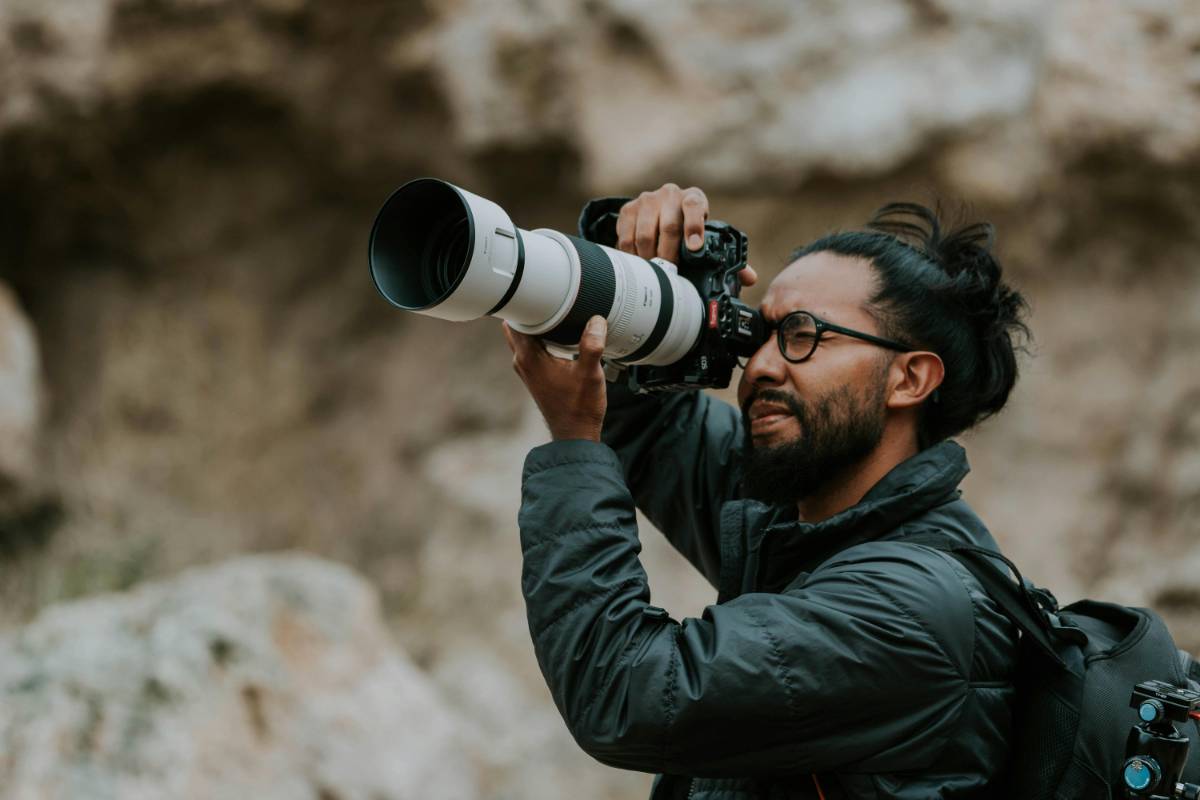
The rule of thirds is a simple yet effective photography principle. Imagine dividing your image into nine equal parts by drawing two horizontal and two vertical lines. By placing your subject along these lines or at their intersections, you create balance and visual interest in your composition.
While the rule of thirds is a great guideline, don’t be afraid to break it when necessary. In some cases, centering your subject can create a powerful and dramatic image. Experiment with different compositions and see what works best for each shot.
Great travel photos do more than capture a moment—they tell a story. Try to convey the atmosphere of the place, the people, and the culture through your images. Include details that provide context, such as local food, architecture, or the landscape.
If you’re photographing people, consider capturing candid moments that reflect their emotions or daily life. Street photography, for example, often tells a compelling story of life in a particular city. Pay attention to the surroundings and try to include elements that help tell a visual narrative.
Capture Different PerspectivesTo make your travel photos stand out, try experimenting with different angles and perspectives. Shoot from above, below, or from the side to capture scenes in a new and creative way. Getting close to your subject can highlight details, while wide-angle shots can show the grandeur of landscapes or architecture.
You can also play with reflections, shadows, and silhouettes for more dramatic compositions. Don’t limit yourself to eye-level shots—be playful and think outside the box to make your photos unique.
Pack the Right GearHaving the right gear is essential for capturing great travel photos. A DSLR or mirrorless camera offers flexibility and high-quality images, but you can also use a smartphone if that’s all you have. Many smartphones today have excellent cameras that are perfect for travel photography.
If you’re using a professional camera, make sure to bring a variety of lenses, such as a wide-angle lens for landscapes and a zoom lens for distant subjects. Don’t forget extra batteries, memory cards, and a tripod for stability. A portable charger can also be a lifesaver while traveling.
Edit Your PhotosOnce you’ve captured your photos, take the time to edit them to bring out their full potential. Editing can enhance the colors, contrast, and sharpness of your images, making them even more striking. There are several photo editing apps and software, such as Lightroom or Snapseed, that offer powerful tools for both beginners and advanced photographers.
Be careful not to over-edit, though. The goal is to enhance the image while maintaining its natural look. Adjust the exposure, remove distractions, and apply filters if desired, but always keep the authenticity of the moment intact.
Respect Local Customs and PrivacyWhen photographing people or cultural sites, always be respectful of local customs and privacy. In some cultures, taking photos without permission may be considered offensive. Always ask for permission before photographing individuals, particularly in rural areas or indigenous communities.
If you’re photographing sacred or religious sites, be sure to follow any guidelines or restrictions. Some places may have rules about where photography is allowed or the types of photos that can be taken. By being mindful of these considerations, you ensure that your travel photography is both respectful and ethical.
ConclusionTravel photography is about more than just snapping pictures—it’s about capturing the essence of a place, its people, and the memories you create along the way. With the right gear, techniques, and a little creativity, you can create photos that not only tell a story but also inspire others to explore the world. Don’t forget to enjoy the process, experiment with different approaches, and most importantly, have fun while documenting your travels.
Subscribe to our newsletter to get our newest articles instantly!

Senior Contributor
Robert Anthony Brown is passionate about impactful storytelling. With a unique voice and deep insights, they turn everyday stories into compelling reads that resonate and inform.
Read Full Bio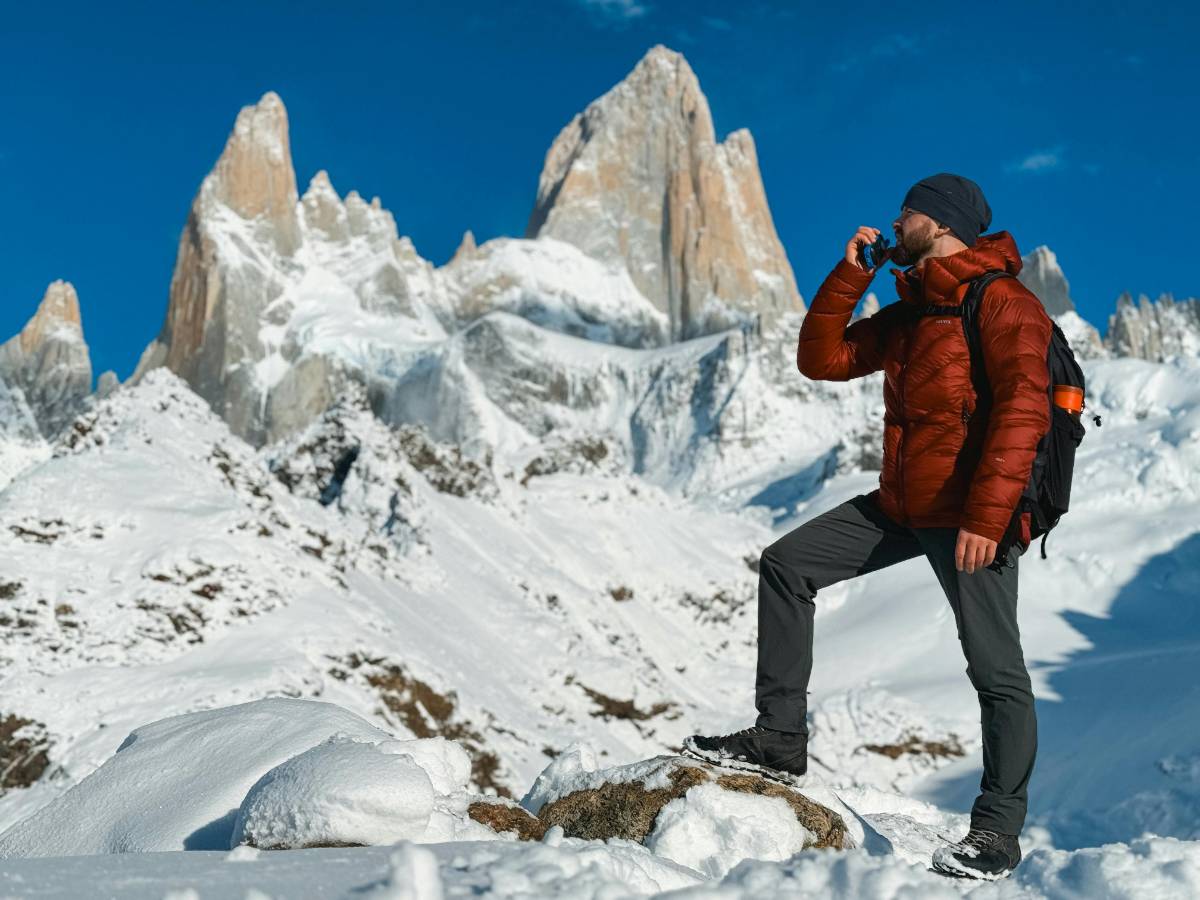
South America offers an exciting blend of culture, history, and natural beauty, making it a top destination for backpackers. From the jungles of the Amazon to the peaks of the Andes, this continent is packed with adventure. Whether you're traveling for a few weeks or a few months, here are some tips and must-visit locations to make your backpacking trip across South America unforgettable.1338a.jpg***Plan Your Route CarefullySouth America is vast, and the best way to explore it is with a well-thought-out plan. Consider the time you have available and the kind of experiences you want to have—whether it's exploring vibrant cities, hiking through mountains, or experiencing remote rural areas.Start by deciding on the countries you want to visit. Peru, Argentina, Chile, and Brazil are some of the most popular countries for backpackers. If you have the time, you can also venture into Bolivia, Colombia, Ecuador, and beyond. Planning your route around regional travel hubs like Lima, Buenos Aires, and Santiago will help streamline your journey.***Pack Light and SmartWhen backpacking, packing light is key. You'll be carrying your belongings through various environments, from humid rainforests to cold mountain climates, so bring versatile clothing that can be layered. Focus on packing light, practical items such as sturdy shoes for hiking, a rain jacket, sunscreen, and a hat for sun protection.Additionally, a good-quality backpack, lightweight camping gear, and a portable charger will make your journey more comfortable. Don’t forget to bring a first-aid kit, especially if you’re trekking through remote areas. And be mindful of the baggage limits on buses and planes, which may vary between countries.***Machu Picchu, PeruMachu Picchu is one of South America’s most iconic destinations, and for good reason. The ancient Incan city set in the Andean mountains is a bucket-list experience for any backpacker. Whether you choose to hike the Inca Trail or take the train to the site, the experience of standing among the stone ruins with panoramic views of the surrounding peaks is truly unforgettable.Don’t forget to book your entry tickets and transportation in advance, especially during peak season, as access to Machu Picchu is limited. Also, try to visit early in the morning or later in the afternoon to avoid the crowds.1338b.jpg***Uyuni Salt Flats, BoliviaThe Salar de Uyuni in Bolivia is the world’s largest salt flat and an essential stop on a South American backpacking trip. It’s a surreal landscape that stretches endlessly, creating the illusion of walking on the sky, especially during the rainy season when the flats turn into a giant mirror.For a truly unforgettable experience, take a 3-day tour of the salt flats, which includes exploring the flats themselves, as well as nearby attractions like the Eduardo Avaroa National Park, geysers, and hot springs. Be sure to dress in layers, as temperatures can fluctuate dramatically throughout the day.***Rio de Janeiro, BrazilKnown for its vibrant culture, beaches, and the famous Christ the Redeemer statue, Rio de Janeiro is a must-visit for any backpacker. The city's lively atmosphere, stunning landscapes, and world-class nightlife make it an exciting stop on your South American journey.Take a hike up to Sugarloaf Mountain for breathtaking views of the city, or spend a day lounging on the iconic Copacabana or Ipanema beach. If you’re visiting during Carnival, don’t miss the chance to experience this spectacular event filled with music, dancing, and parades.***Patagonia, Argentina & ChileIf you’re looking for dramatic landscapes and outdoor adventure, Patagonia should be at the top of your list. This region at the southern tip of South America is famous for its stunning national parks, glaciers, and towering peaks.Trek the famous W Circuit in Torres del Paine National Park in Chile or visit Los Glaciares National Park in Argentina, home to the massive Perito Moreno Glacier. Patagonia is perfect for backpackers who enjoy hiking, wildlife spotting, and being immersed in nature. Don’t forget to pack warm clothes, as the weather can be unpredictable, even in summer.***Cartagena, ColombiaCartagena is a charming city on Colombia’s Caribbean coast that offers a mix of history, culture, and stunning beaches. The city is famous for its colonial architecture, cobblestone streets, and vibrant nightlife. Wander through the historic walled city, explore the colorful streets, or relax at one of the nearby beaches.Cartagena also offers great food, with street vendors selling fresh seafood and local specialties like arepas. Take a boat trip to the nearby Rosario Islands, known for their crystal-clear waters and coral reefs—perfect for snorkeling.***Quito, EcuadorEcuador’s capital, Quito, is a UNESCO World Heritage Site known for its well-preserved colonial architecture and stunning views of the surrounding Andes mountains. The city offers a perfect blend of history, culture, and nature.Take a stroll through the historic old town, visit the famous Mitad del Mundo (Middle of the World) monument, or take a cable car ride to the top of Pichincha Volcano for panoramic views of the city and beyond. Quito also serves as a great base for exploring nearby natural attractions, such as the Amazon rainforest or the Cotopaxi National Park.***ConclusionSouth America is a backpacker’s paradise, with so much to offer for those willing to venture off the beaten path. From ancient ruins and salt flats to vibrant cities and breathtaking landscapes, the continent provides endless opportunities for adventure. By planning your route carefully, packing smart, and being open to new experiences, you’ll create unforgettable memories on your backpacking journey across South America.
By Christopher David Wilson · 30 Jul 2025

A road trip across the United States offers an unforgettable experience, allowing you to explore the country's diverse landscapes, cultures, and landmarks. Whether you're planning a short getaway or a cross-country adventure, proper planning is essential for making the most of your journey. Here are some tips to help you plan the perfect road trip.1334a.jpg***Decide on Your Route and DestinationsThe first step in planning a successful road trip is deciding on your route and key destinations. Consider the places you’ve always wanted to visit and the landmarks you’d like to see. There are several popular routes, such as the Pacific Coast Highway, Route 66, and the Great River Road, each offering unique attractions.Make sure to take into account how much time you have for your trip. If you’re planning a long road trip, map out your main stops and include smaller, off-the-beaten-path destinations along the way for a more immersive experience.Planning your route will help you organize your time and ensure you make the most of each stop.***Budget Your TripRoad trips can be affordable, but it's important to set a budget before you hit the road. Consider costs for gas, accommodation, food, and activities at each stop. You can save money by camping, staying in budget hotels, or booking accommodation in advance.It’s also important to factor in unexpected costs, such as roadside emergencies or detours. Having a financial cushion will help you enjoy your trip without stress.***Pack SmartlyPacking smart is essential for a smooth road trip. Make sure to pack light, bringing only the essentials, but also include a few extra items for comfort. Some things to remember include clothes for different weather conditions, personal hygiene products, medications, and snacks for the road.Don't forget your electronics—chargers, GPS, and cameras can come in handy for navigation and capturing memories along the way.***Prepare Your VehicleBefore embarking on a long road trip, make sure your vehicle is in good condition. Check tire pressure, oil levels, brakes, and fluid levels. A thorough check-up can prevent costly breakdowns on the road.Additionally, make sure you have a spare tire, jack, jumper cables, and other emergency supplies, just in case you run into any issues while on the road.***Plan Your AccommodationsWhile it’s possible to find places to stay on the fly, it’s often better to book your accommodations in advance, especially in popular tourist areas. Depending on your route and preferences, you can opt for motels, hotels, or campgrounds.If you’re looking for a unique experience, consider staying in a charming bed and breakfast or renting a cabin. Having a place to stay sorted out ahead of time can help reduce stress and make your trip more enjoyable.1334b.jpg***Consider Time for ExplorationA road trip is not just about getting from point A to point B; it’s about enjoying the journey. Plan time for sightseeing, exploring local attractions, and relaxing. You don’t have to rush from one destination to the next—take time to explore unique places along the way.For instance, stop by national parks, visit quirky roadside attractions, and try regional foods. The beauty of a road trip is in the small, unexpected moments.***Stay Safe on the RoadSafety should always be a priority on a road trip. Make sure to follow traffic laws, take breaks when needed, and avoid driving when tired. It’s also a good idea to have a roadside assistance plan in case you encounter any issues during your trip.Staying safe also means keeping your vehicle well-maintained, having a first-aid kit handy, and having emergency contact information easily accessible.***Create a Playlist or Download PodcastsOne of the best parts of a road trip is the music. Create a playlist of your favorite songs or download podcasts that interest you. A good playlist or a series of entertaining podcasts will make the drive more enjoyable and help pass the time.It’s a good idea to download media ahead of time in case you lose signal while traveling through remote areas.***Capture the MomentsA road trip across the United States is a once-in-a-lifetime experience, so make sure to capture the moments along the way. Take photos, document your journey in a travel journal, or vlog your trip.When you look back at the memories, you’ll be grateful for the photos and stories you’ve collected along the way.***ConclusionPlanning a road trip across the United States is an exciting opportunity to explore new places, create memories, and enjoy the freedom of the open road. By taking the time to plan your route, budget, and vehicle preparation, you’ll set yourself up for a successful and enjoyable adventure. Don’t forget to stay safe, be flexible, and, most importantly, have fun on your journey.
By Robert Anthony Brown · 12 Aug 2025
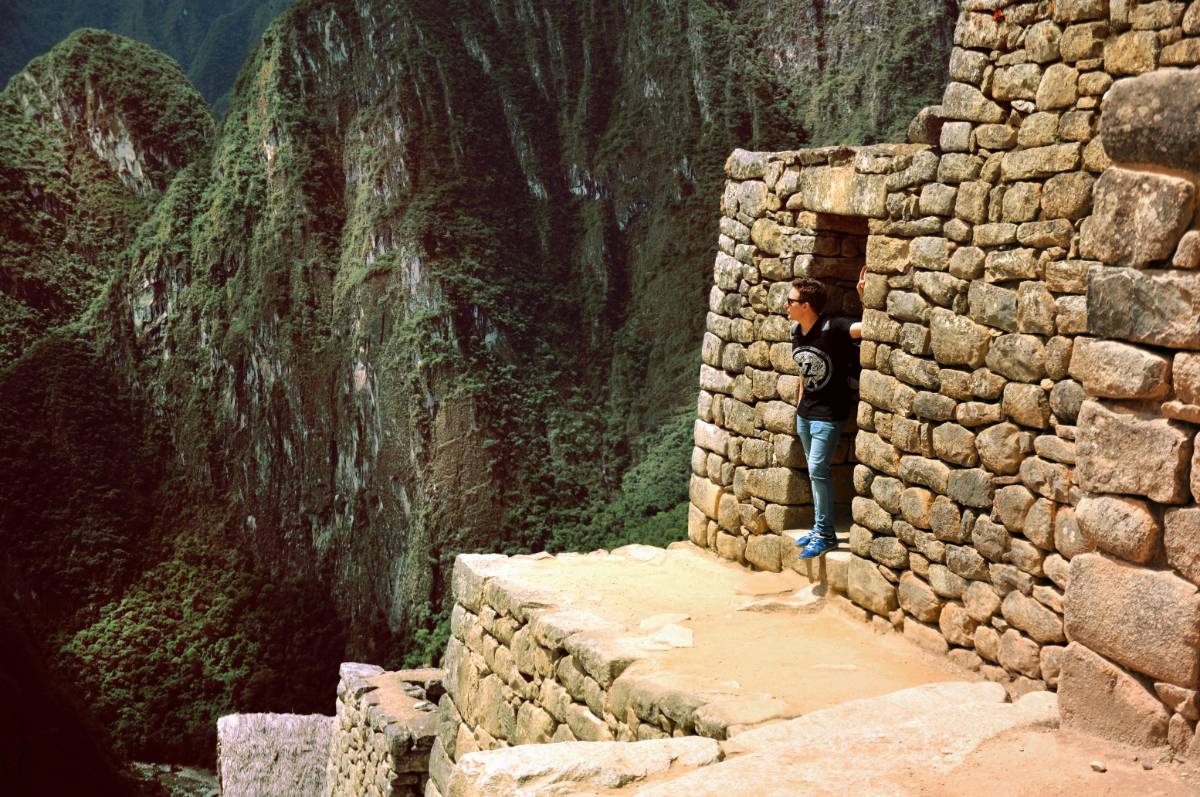
Traveling to destinations that are home to indigenous cultures offers a unique and enriching experience. By immersing yourself in these diverse traditions and lifestyles, you can gain a deeper understanding of the world. However, it’s crucial to approach these travels with respect and awareness, ensuring that your presence supports and honors the indigenous communities. Here are some must-visit destinations, as well as tips on how to travel responsibly when exploring indigenous cultures.1329a.jpg***Machu Picchu, Peru: Inca Heritage and Spiritual ConnectionMachu Picchu, located in the Andes Mountains of Peru, is one of the most iconic sites that highlights the rich history of the Inca civilization. The indigenous Quechua people still inhabit many regions surrounding the sacred valley, and their culture remains a vital part of the Peruvian identity.When visiting Machu Picchu, it’s important to respect local customs, support indigenous-run businesses, and learn about the spiritual significance of the site. Engage with local Quechua guides who can share insights about the history, culture, and traditions of their people. By doing so, you'll gain a deeper understanding of the site’s importance while helping preserve the region’s cultural heritage.***The Maori Culture, New Zealand: A Rich Legacy of TraditionNew Zealand is home to the indigenous Maori people, whose traditions and language are deeply embedded in the country’s identity. The Maori culture is known for its art, dance (haka), and intricate carvings, and is an integral part of New Zealand’s tourism landscape.To experience the Maori culture, consider visiting the Rotorua region, where visitors can experience traditional feasts, arts, and performances. Be respectful by learning a few words in te reo Maori, the indigenous language, and by participating in cultural activities with an open heart. Responsible tourism is key—support local Maori-owned businesses and ensure that your visit helps preserve the culture for future generations.1329b.jpg***Aboriginal Culture, Australia: Ancient Traditions and Connection to LandAustralia’s Aboriginal peoples have a rich and ancient history that dates back tens of thousands of years. The connection to the land and natural world is at the heart of Aboriginal culture, and visitors can learn about their deep spiritual ties to the earth through art, storytelling, and guided tours.To experience Aboriginal culture responsibly, visit regions like the Northern Territory, where you can explore sacred sites like Uluru (Ayers Rock) and learn about the indigenous stories connected to these landscapes. Always approach these sacred places with respect, and follow the guidance of Aboriginal guides who can share their traditions in an informed and respectful manner.***The Native American Experience, United States: History and Cultural PreservationThe United States is home to over 500 federally recognized Native American tribes, each with its unique history, language, and traditions. From the Navajo Nation in the Southwest to the Lakota Sioux in the Great Plains, there are countless opportunities to explore Native American culture.When traveling to Native American reservations or cultural centers, it’s essential to engage respectfully and learn about their history, challenges, and contributions to society. Visit museums, attend cultural events, and support native artisans and local businesses. Responsible tourism can help support these communities while preserving their cultural heritage.***The Sami Culture, Scandinavia: Reindeer Herding and Arctic TraditionsThe Sami people are the indigenous group of the Arctic regions of Norway, Sweden, Finland, and Russia. Traditionally, they are known for their reindeer herding and unique lifestyle that is deeply tied to the harsh, beautiful Arctic environment.To experience Sami culture, visit regions like Sweden’s Lapland or Norway’s Finnmark. There, you can learn about traditional Sami practices, stay in indigenous-owned lodges, and take part in reindeer herding activities. Ensure that your visit respects their way of life and supports the Sami community’s efforts to maintain their traditions while adapting to modern times.***Responsible Tourism TipsWhen traveling to indigenous communities, it’s vital to adopt a responsible approach that supports the local culture, environment, and economy. Here are a few tips for responsible tourism when exploring indigenous cultures:Respect local customs and traditions: Take time to learn about the culture you are visiting and follow local etiquette. Be mindful of sacred sites and always ask for permission before taking photographs.Support indigenous businesses: Choose tours, accommodations, and restaurants run by indigenous people to directly contribute to their communities.Leave no trace: Be conscious of your environmental impact. Stick to marked trails, avoid littering, and be mindful of the flora and fauna around you.Learn from locals: Engage with indigenous guides and community members to gain a deeper understanding of their history and culture. Listen to their stories and be respectful of their perspectives.***ConclusionExploring indigenous cultures offers an enriching and transformative experience, but it’s important to approach these travels with respect and mindfulness. By following responsible tourism practices, you can ensure that your visit supports and respects the traditions, culture, and livelihoods of the indigenous communities you encounter. Remember, responsible tourism is about making a positive impact and helping to preserve these cultures for future generations.
By Robert Anthony Brown · 07 Aug 2025

Artificial Intelligence (AI) and data tracking are transforming the way casinos operate, especially when it comes to roulette tables. From improving player experiences to ensuring casino security, these technologies are shaping the future of American Roulette both online and in physical casinos.***The Role of AI in Modern RouletteAI technology is used to analyze betting behavior, predict trends, and create more engaging gameplay. Casinos use AI systems to monitor roulette spins and player activity in real-time.Key Uses:Personalized Experiences: AI analyzes betting patterns to offer tailored bonuses and rewards.Game Fairness: Algorithms monitor spins to ensure outcomes remain random and compliant.Predictive Insights: AI tracks common betting strategies and provides insights for casino operators.***How Data Tracking Enhances Roulette PlayData tracking is critical in both traditional and online roulette. Casinos collect information about spin outcomes, bet types, and player habits to improve the game’s appeal and maintain transparency.Applications include:Player Behavior Monitoring: Identifying high-risk betting patterns or unusual play.Trend Analysis: Detecting popular numbers, betting zones, and table dynamics.Fraud Prevention: Spotting suspicious or collusive activity at roulette tables.***Benefits for Casinos and PlayersFor casinos, AI and data tracking improve operational efficiency, security, and marketing strategies. For players, these technologies enhance fairness, transparency, and gameplay enjoyment.Examples:Casinos use AI-driven promotions based on past bets.Players receive improved gaming interfaces with real-time statistics.Security teams prevent cheating using advanced monitoring systems.***Challenges and ConcernsDespite their advantages, AI and data tracking raise privacy and ethical questions. Some players worry about being profiled based on their habits, while regulators are concerned about responsible gambling practices.Issues include:Data Privacy: Sensitive player information must be protected.Over-Reliance on Technology: Casinos risk losing the traditional roulette experience.Transparency: Players must be assured that AI doesn’t manipulate outcomes.***Future of AI in RouletteLooking ahead, AI and data tracking are expected to expand further. We may see more advanced player assistance tools, real-time game statistics, and responsible gambling alerts integrated directly into roulette platforms.***ConclusionAI and data tracking are revolutionizing American Roulette tables by making games more secure, personalized, and interactive. While challenges remain, these technologies are setting the stage for a more innovative and engaging casino experience, both online and offline.
By Stefen · 16 Aug 2025